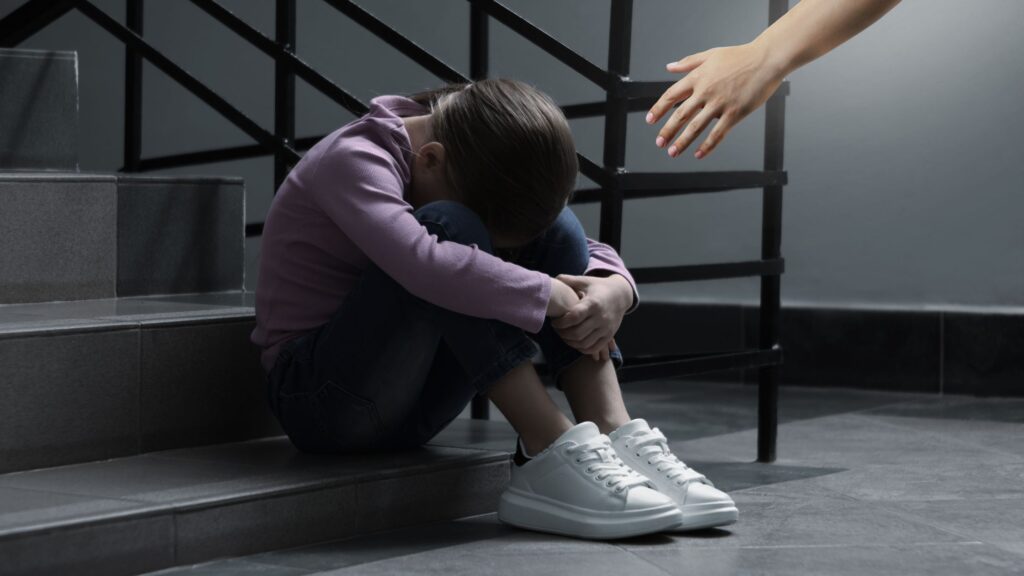
Protecting children from abuse is an important responsibility for every parent. Children need guidance, support, and a safe environment to grow and develop with confidence. By staying involved in their lives and teaching them about safety, parents can reduce the risk of harm. Open communication, clear boundaries, and strong family relationships help children feel comfortable sharing their concerns. Parents who understand warning signs and encourage children to seek help from trusted adults can provide stronger protection. These five practical tips help parents create a safer environment, build trust with their children, and take simple but effective steps to support their safety and well-being.
1. Build Open and Honest Communication

Strong communication between parents and children helps create trust and safety. When children feel comfortable speaking with their parents, they are more likely to share their thoughts, concerns, and experiences. Parents should listen patiently and respond calmly so children feel respected and understood. Regular conversations about school, friends, and daily life help parents stay aware of what is happening around their children. When a child knows that their parents will listen without anger or blame, they are more likely to speak up if something makes them feel uncomfortable or unsafe. Open communication helps parents guide their children, build confidence, and protect them from harmful situations.
2. Teach Children About Personal Boundaries
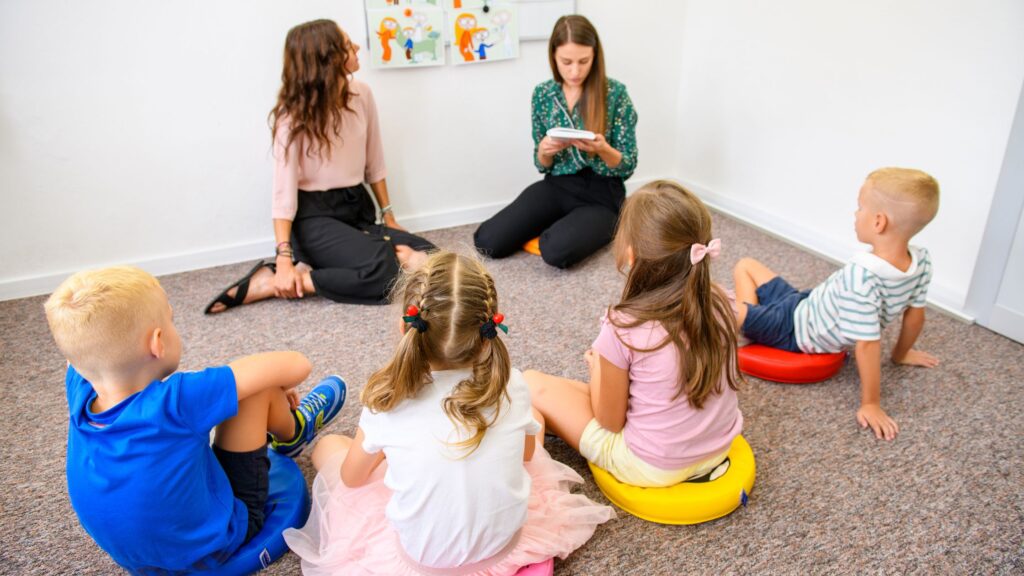
Teaching children about personal boundaries helps them understand that their bodies belong to them and deserve respect. Parents should explain in simple language that certain types of behavior or touching are not acceptable. Children should know that they have the right to say no if something makes them feel uncomfortable. When parents talk about boundaries early in a child’s life, it helps the child recognize situations that are not safe. It also teaches them that speaking up is important. Clear guidance about personal safety helps children build awareness and confidence, which are important for protecting themselves from abuse.
Also Read: 5 Ways to Support Emotional Healing in Child Abuse
3. Stay Involved in Your Child’s Daily Life
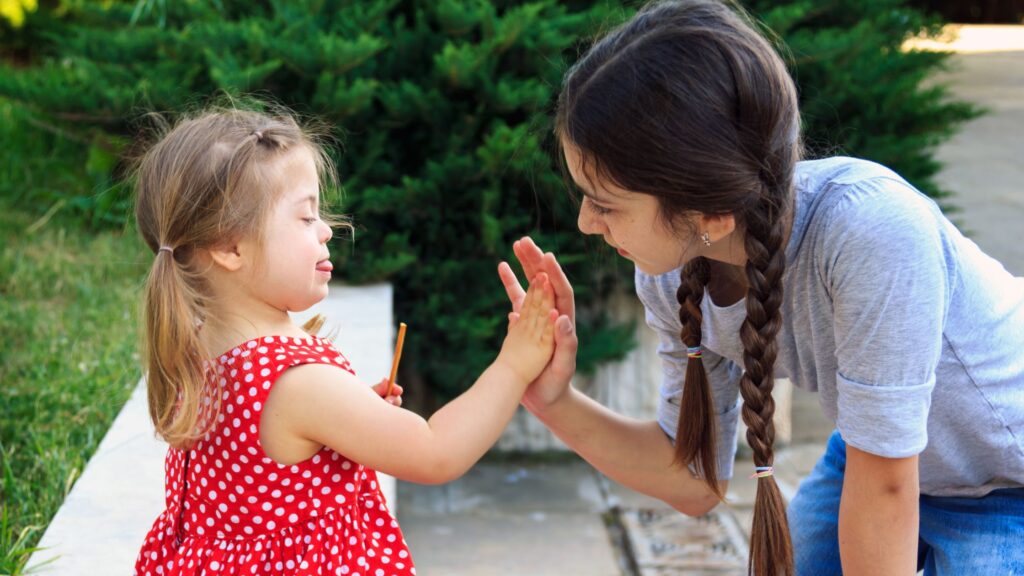
Active involvement in a child’s daily life allows parents to better understand their child’s environment and relationships. Parents should know who their children spend time with, including friends, teachers, caregivers, and other adults. Being present in a child’s routine, such as school activities, hobbies, and family discussions, helps build stronger connections. When parents stay involved, they can notice changes in behavior, mood, or habits that may signal a problem. This involvement also helps children feel supported and valued. A strong parent-child relationship makes it easier for children to share concerns and helps parents respond quickly if something seems wrong.
4. Watch for Behavioral and Emotional Changes

Children who experience harm or distress often show changes in their behavior or emotions. Parents should pay close attention to signs such as sudden fear, withdrawal, sadness, anger, or changes in sleeping and eating habits. While these signs may not always mean abuse, they can indicate that a child is struggling with something difficult. Observing these changes early allows parents to provide support and find the right help if needed. Careful attention to a child’s emotional well-being helps parents understand what their child may be experiencing and ensures that the child receives protection and care.
5. Teach Children to Seek Help From Trusted Adults

Children should know that they are never alone and that there are adults who can help keep them safe. Parents should guide children to identify trusted adults such as family members, teachers, or school counselors. Teaching children that it is safe to speak to these adults when they feel scared or uncomfortable gives them an additional layer of protection. When children understand that help is available, they feel more confident reporting harmful behavior. Parents should also remind children that they will always be supported when they speak about safety concerns. This knowledge strengthens a child’s sense of security and encourages them to ask for help when needed.
Conclusion
Protecting children from abuse requires awareness, communication, and strong relationships within the family. Parents who stay involved in their children’s lives can create a safe space where children feel respected and supported. Teaching personal boundaries helps children understand their rights and recognize unsafe behavior. Open communication encourages children to share their concerns without fear. Paying attention to emotional and behavioral changes allows parents to notice problems early and provide support. Teaching children to reach out to trusted adults adds another layer of safety. When parents follow these protective steps, they help build a secure environment where children can grow, learn, and feel safe.