
Child abuse remains a serious issue that affects children of all ages. You can take specific actions to reduce the risk of child abuse and protect your child. Understanding practical steps allows you to create a safer environment and recognize potential dangers. The following tips provide guidance you can apply immediately to prevent child abuse.
1. Teach Children About Personal Boundaries

Children need to understand that their bodies belong to them. You should explain that no one has the right to touch them in ways that make them uncomfortable. Role-playing can help your child practice saying no. For example, act out a scenario where a family friend asks for a hug, and your child politely declines.
Encourage your child to report any inappropriate behavior to a trusted adult. At school, make sure your child knows which staff members are safe to approach if they feel unsafe. Reinforce these lessons regularly through conversations and practice. Teaching boundaries is a key step in preventing child abuse.
2. Supervise Online Activity

Children spend significant time online. You need to monitor their digital interactions to reduce exposure to predators, unsafe content, and cyberbullying. Establish clear rules about device use. For instance, agree that devices remain in common areas after homework.
Teach children not to share personal information, such as addresses, phone numbers, or school details, with strangers. You can also use parental controls to block unsafe websites or apps. Schools often have rules for safe browsing. Discuss these rules with your child so they understand which actions help prevent child abuse online.
3. Secure Dangerous Items

Accidents happen when children access unsafe items. You should store knives, firearms, cleaning supplies, and medications in locked cabinets. If you own firearms, keep them unloaded and store ammunition separately.
Show children which items are off-limits and explain the reason. Schools should maintain secure storage for lab chemicals, sports equipment, and cleaning supplies. Regularly check that locks work and that hazardous items remain inaccessible. Proper storage not only prevents accidents but also reduces the risk of child abuse at home or in other environments.
4. Practice Emergency Plans

Children must know how to respond in emergencies. You should practice drills at home, including fire, earthquake, or lockdown procedures. Show them multiple exit routes and a meeting point outside the home. Teach them to call family members or local authorities in an emergency.
At school, ask administrators how often drills occur and whether your child participates. Practicing emergencies repeatedly helps children remember steps under stress. Children who understand emergency procedures respond calmly and safely during real situations, and it strengthens their overall protection from child abuse and harm.
5. Build a Circle of Trusted Adults

Children need adults they can approach when they feel unsafe. You should help your child identify family members, neighbors, teachers, and counselors they trust.
Discuss situations like bullying, inappropriate touching, or threats from strangers. Role-play phone calls or conversations so your child practices explaining problems clearly. At school, ensure your child knows which staff members can help. Trusted adults reduce fear and encourage children to report issues immediately, which helps prevent child abuse.
6. Observe Behavior and Emotional Changes

Children often signal problems through behavior and emotions. You should watch for changes in mood, withdrawal, aggression, or unusual fears. Sudden shifts can indicate trouble at home, school, or online.
Talk with your child about their day and listen actively. Avoid criticizing or dismissing their feelings. Teachers should report behavioral changes to parents or counselors. If concerning patterns continue, consult a pediatrician or child psychologist. Early observation allows you to address potential problems before they escalate and can prevent child abuse from occurring.
7. Maintain Open Communication
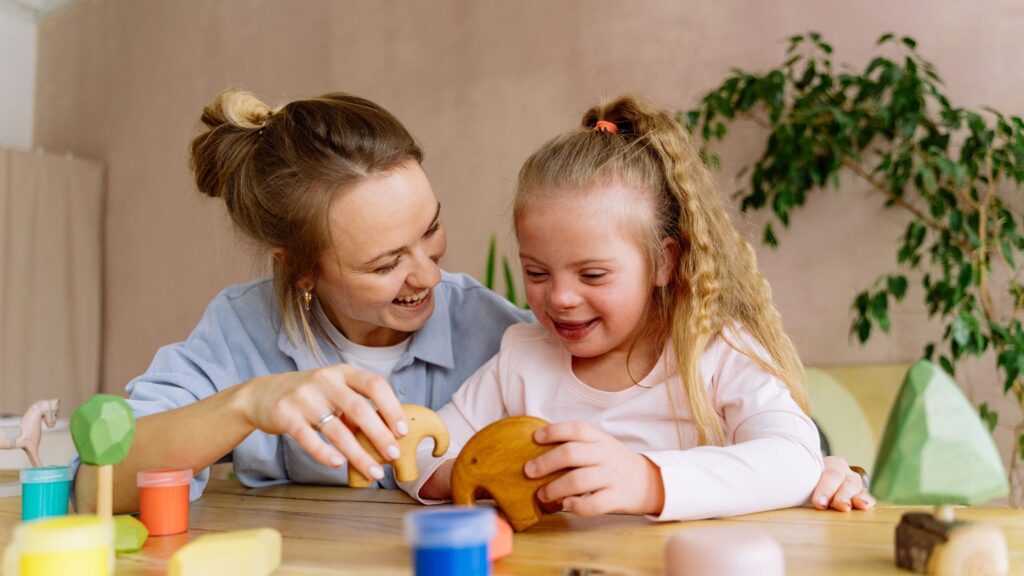
Children need consistent, open conversations about safety. You should encourage them to share concerns without fear of punishment. Ask about their friends, activities, and feelings.
Set aside daily or weekly time for discussions. Emphasize that children can speak about anything uncomfortable or unsafe. At school, ensure your child knows how to report concerns to staff members. Open communication strengthens trust and helps children feel confident seeking help when needed, reducing the risk of child abuse.
Practical Application of Safety Measures
Reducing the risk of child abuse requires regular action, not a one-time effort. You should integrate these tips into your daily routine. For example, practice personal boundaries during playtime, review online activity after homework, and check storage areas for hazards weekly. Role-playing emergency situations reinforces memory and helps children respond effectively.
Creating trusted adult networks ensures children can reach out when needed. Maintain conversations about daily experiences to identify early warning signs. Observing behavior and emotions allows you to detect changes that may indicate stress, neglect, or potential child abuse. Consistent practice and attention strengthen safety measures and help children feel secure.
Research shows that children who understand boundaries are more likely to report unsafe situations. Studies also indicate that homes with secure storage for dangerous items see fewer accidents. Schools that teach online safety report lower cyberbullying incidents. Drills and role-playing improve children’s ability to respond calmly to emergencies. These actions demonstrate that consistent engagement from parents significantly lowers the risk of child abuse.
Encouraging Daily Safety Habits
Safety should become part of daily life. You should check in with your child about their day, review online activities, and update safety measures as they grow. Practice emergency drills regularly, review trusted adult lists, and secure hazards continuously. Children respond positively to consistent routines and clear expectations.
Teaching safety skills helps children build confidence. They learn to make safe decisions, report problems, and protect themselves. Conversations about boundaries, online use, and emergency actions reinforce responsibility. Simple practices repeated daily create lasting habits that reduce the risk of child abuse significantly.
Working With Schools and Communities
Child abuse prevention extends beyond the home. Schools and communities play a key role. You should communicate regularly with teachers and administrators about policies, emergency plans, and reporting procedures. Support programs that teach children about personal safety, boundaries, and online risks.
Communities can organize workshops, awareness campaigns, and safety training. Involving children in these programs reinforces lessons learned at home. Collaboration among parents, schools, and communities ensures children receive consistent guidance and protection, lowering the chance of child abuse in multiple environments.
Taking Action Today
You can act immediately to reduce risks. Begin by teaching personal boundaries and reviewing online safety. Secure dangerous items, practice emergency drills, and identify trusted adults. Observe behavior and maintain open conversations with your child.
Each action you take helps children feel safe and supported. Teaching safety, providing guidance, and creating structured environments strengthen children’s confidence. Children who learn practical safety skills can navigate challenges safely and respond effectively in emergencies. Your consistent attention helps prevent child abuse and builds a foundation of protection for your child.